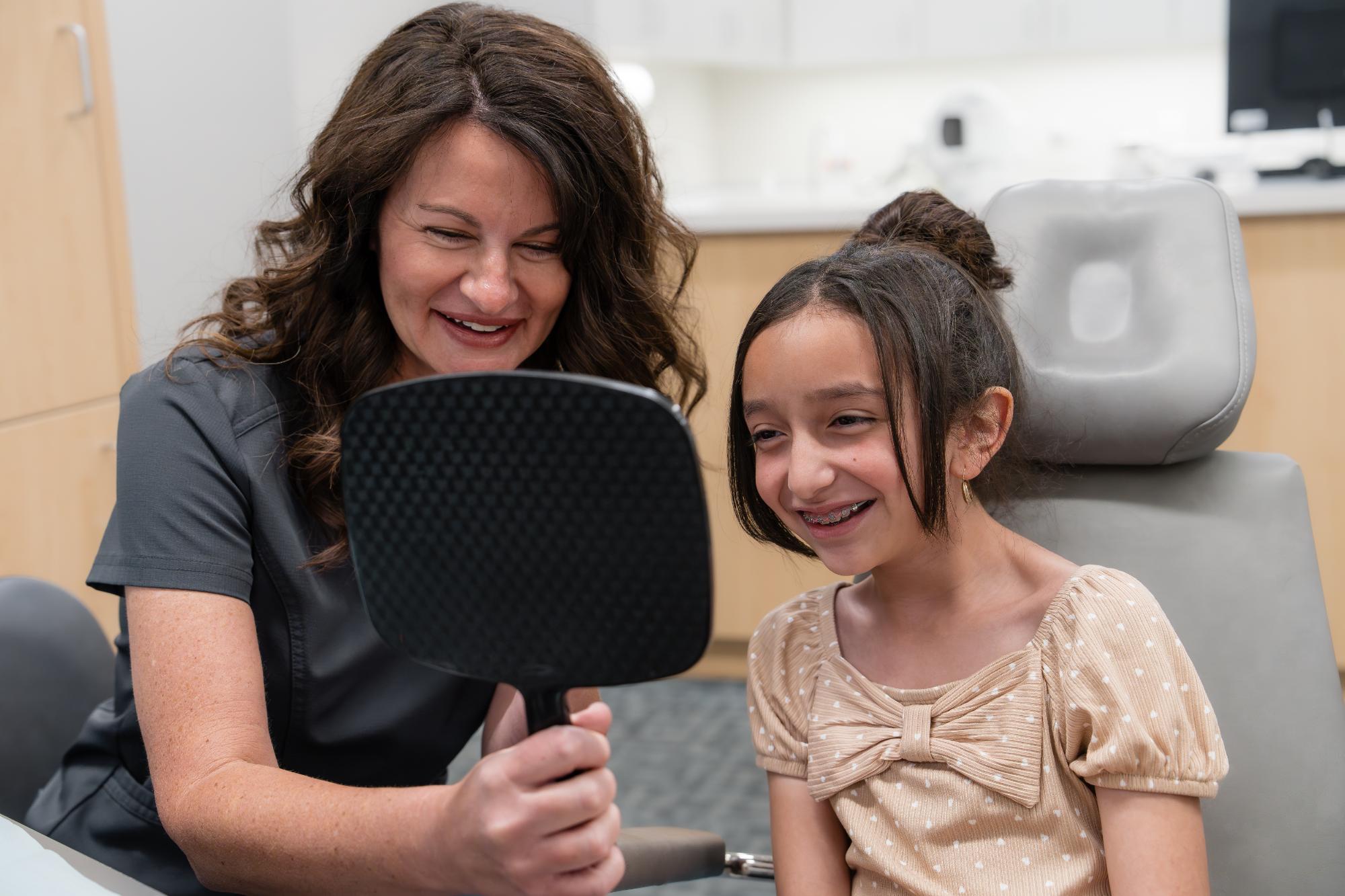
Active kids and adults don’t have to sit out a season because of braces. With the right protection, you can keep playing the sports you love while your treatment stays on track. The key is choosing a mouthguard that works with your brackets and wires, not against them.
Below is a straight-shooting guide to the mouthguards that play nicely with braces, the ones that don’t, and a few smart habits to keep your smile safe through every game, match, and practice.

What Is a Mouthguard for Braces?
A mouthguard for braces is a protective oral appliance designed to shield brackets, wires, teeth, and soft tissue during athletic activity. Unlike standard mouthguards, braces-compatible versions accommodate orthodontic hardware and allow your teeth to keep moving through treatment without restriction.
According to the American Dental Association, athletes are 60 times more likely to suffer dental injury when they don’t wear a mouthguard. That risk climbs higher when brackets and wires are in the mix, since a direct hit can slice the inside of your lip or snap an archwire.
Anyone in braces who plays contact or limited-contact sports needs one. A quality mouthguard protects your braces and prevents painful lacerations. At Freytag Orthodontics, we help every active client find a guard that fits their sport, their braces, and their stage of treatment.
How Sports Mouthguards Work With Braces
Sports mouthguards use silicone or thermoplastic material to soak up and spread out impact force so it never lands in one spot on your teeth. When a ball, elbow, or helmet catches you in the face, the material scatters the energy so no single tooth or bracket takes the full blow.
Orthodontic guards include built-in channels that cover both upper brackets and wires completely. This design keeps hardware from cutting into your cheeks and lips on impact, which can mean the difference between walking off the field laughing and walking off needing stitches.
Dual-arch designs protect top and bottom teeth at the same time. The National Federation of State High School Associations (NFHS) requires dual-arch guards for wrestling, and many coaches recommend them for other contact sports too.
There are three main ways to fit a mouthguard over braces:
- Boil-and-bite reshaping using an orthodontic-specific version
- Dental wax placed over brackets before inserting a guard
- Custom lab fabrication through your orthodontist for the best fit
Your mouthguard must be re-fitted or replaced periodically as your teeth shift. A guard that fit perfectly three months ago may feel loose or tight today. A properly made guard still lets you breathe, speak, and sip water during play while staying securely in place.
Benefits of Wearing a Mouthguard With Braces
The right mouthguard does more than protect your teeth. It safeguards your entire treatment timeline and your overall health during athletic activity.
Here’s what you gain by wearing one every time you play:
- Prevents bracket breakage and wire damage that can add weeks or months to your treatment
- Shields lips and cheeks from being cut on metal brackets during impact
- Reduces the risk of knocked-out, chipped, or fractured teeth (the ADA notes a 60x higher injury rate without one)
- Protects the jaw and may reduce concussion severity by absorbing shock
- Keeps your treatment on schedule by preventing setbacks from injury
A broken bracket mid-season isn’t just inconvenient. It can push back your debond date and mean another trip to the office when you’d rather be on the field. Dr. Freytag has seen plenty of avoidable injuries over the years, and nearly all of them could have been prevented with proper protection.
A quality mouthguard is a simple safeguard for the treatment you’re already doing. It helps you sidestep painful injuries, broken brackets, and the kind of emergency visits that tend to happen at the worst possible moments. For any athlete in braces, it keeps care moving forward on schedule.
Mouthguard Types Compared: What Works and What to Avoid
Not all mouthguards work with braces, and some can actually cause harm. Here’s a quick comparison of your options:
| Type | Fit Quality | Braces-Friendly | Best For |
|---|---|---|---|
| Stock (pre-formed) | Poor | No | Not recommended |
| Standard boil-and-bite | Fair | Risky | Non-braces wearers |
| Orthodontic boil-and-bite | Good | Yes | Most recreational athletes |
| Orthodontic dual-arch | Very good | Yes | Contact sports |
| Custom-made by orthodontist | Excellent | Yes | Serious or competitive athletes |
Stock mouthguards are bulky, fit poorly, and should never be used with braces. Standard boil-and-bite guards can distort around brackets during the molding process, leaving gaps or pressure points, so skip the thin versions entirely.
Orthodontic boil-and-bite guards feature silicone channels designed specifically for braces. These are the best over-the-counter choice for most patients, offering a reasonable fit without the risks that come with standard versions.
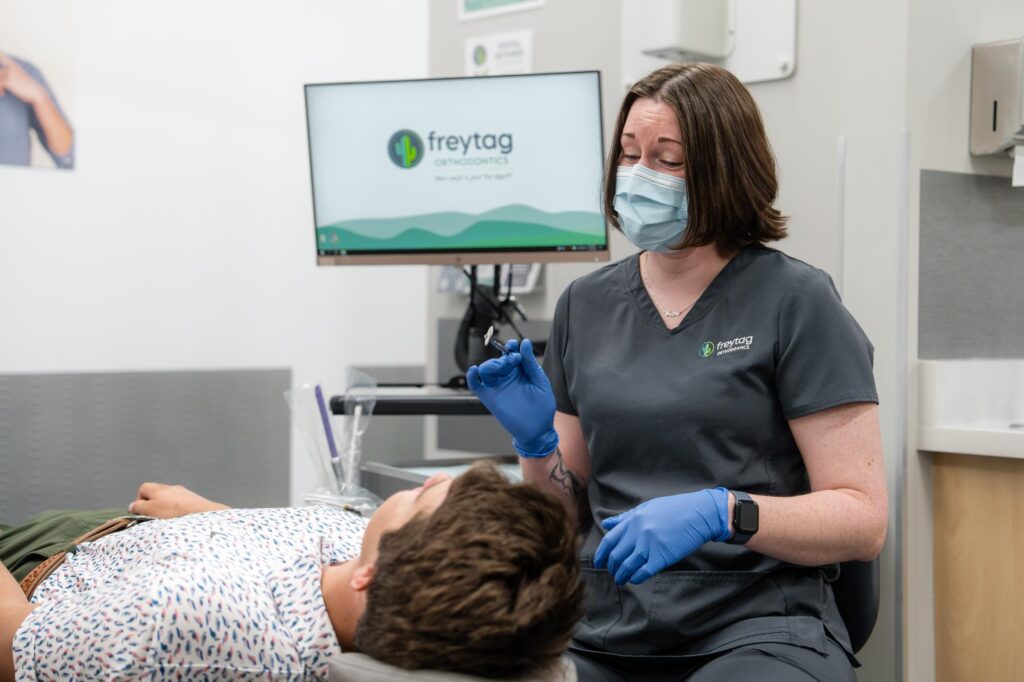
Custom-made guards fabricated by Dr. Freytag offer superior fit, comfort, and protection. For competitive athletes, this is the gold standard, and it’s the option we most often recommend for kids and teens in year-round contact sports.
Steer clear of thin single-arch guards, hard plastic retainer-style devices, and anything that restricts tooth movement. If a guard feels like it’s holding your teeth in place, it’s working against your treatment.
Who Needs a Mouthguard: Sport-by-Sport Guide
Different sports carry different levels of risk. Here’s how to decide what level of protection you need based on your activity.
Contact sports (mandatory, custom preferred):
- Football
- Hockey
- Lacrosse
- Wrestling
- Martial arts and boxing
Limited-contact sports (strongly recommended):
- Basketball
- Soccer
- Baseball and softball
- Volleyball
- Field hockey
Non-contact sports (generally optional):
- Tennis
- Track and field
- Swimming
- Golf
Even in non-contact sports, consider a guard for skateboarding, cycling, or gymnastics where falls are common.
A quick note for Invisalign athletes: aligners are not mouthguards. Take them out before play and wear a proper sports guard instead. Store your aligners in their case so they don’t get lost or damaged.
Patients with expanders, headgear, or other appliances need specific guidance from Dr. Freytag on compatible protection. Every mouth is different, and some setups require a custom approach.
All ages benefit from wearing a guard, but youth athletes especially need protection since their teeth and jawbones are still developing. A dental injury during these years can affect smile development for life.
Frequently Asked Questions
What sports are mouthguards used for?
Mouthguards are used for any contact or limited-contact sport with impact risk. That includes football, hockey, lacrosse, wrestling, basketball, soccer, baseball, and martial arts. Many athletes also wear them for skateboarding, cycling, and gymnastics where falls can cause mouth injuries.
Can I use a regular boil-and-bite with braces?
Only orthodontic-specific versions are safe with braces. Standard boil-and-bite guards can distort around your brackets during the molding process, creating a poor fit that may damage hardware or restrict tooth movement. Look for guards labeled for orthodontic use, or ask Freytag Orthodontics about a custom option.
Do I need top and bottom guards?
Yes for wrestling, which the NFHS requires, and it’s strongly recommended for most other contact sports. A dual-arch guard protects both your upper and lower teeth from impact and reduces the risk of jaw injury. For limited-contact sports, a single upper guard is often enough.
How soon after getting braces can I play sports?
You can usually play the same day with a properly fitted mouthguard. Your mouth may feel tender for the first few days after placement or adjustments, so some athletes prefer to wait 24-48 hours. Always use a braces-compatible guard from day one.
How often should I replace my mouthguard with braces?
Plan to replace your mouthguard every 3-6 months, or sooner if your teeth have shifted notably. As your smile moves through treatment, a guard that once fit well can become loose or tight. Check the fit regularly and bring any concerns to your next visit.
What do I do if a bracket breaks mid-game?
Cover the broken bracket or sharp wire with dental wax, stop play, and call your orthodontist. Freytag Orthodontics will schedule you for a repair appointment as soon as possible. Don’t try to fix it yourself, and avoid eating hard foods until you’re seen.
Game day prep should include your mouthguard, no matter the season or the sport. Dr. Freytag and the team at Freytag Orthodontics are here to help Tucson-area athletes stay safe during treatment. Visit us at our Oro Valley or Marana office to talk through mouthguard options and start your smile journey with confidence.
Schedule a free exam or call 520-365-6703 to learn more.